Graphic design is more than just aesthetics; it is a powerful tool that influences perceptions, communicates messages, and strengthens brand identity. In today’s digital era, where visual content dominates, businesses must leverage graphic design to stand out in a competitive market.
What is Graphic Design?
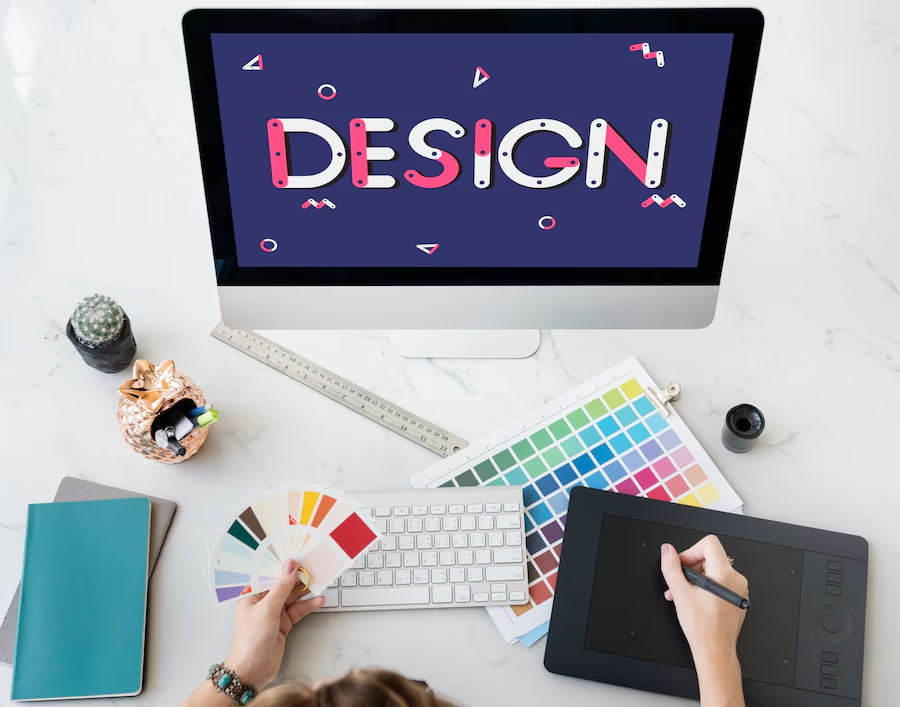
Graphic design is the art of creating visual content to convey messages effectively. It encompasses various elements such as typography, color theory, imagery, and layout. These elements work together to enhance user experience and communicate brand values. Whether it’s a logo, website, social media post, or product packaging, graphic design plays a crucial role in shaping how a brand is perceived.
The Role of Graphic Design in Branding
Branding is not just about having a unique name and logo; it’s about creating a lasting impression. Graphic design helps establish a brand’s identity by ensuring consistency across all marketing channels.
- Logo Design: A well-designed logo serves as the face of a brand. It should be memorable, versatile, and aligned with the company’s values.
- Color Palette: Colors evoke emotions and influence consumer behavior. A brand’s color scheme should be strategically chosen to reflect its personality and message.
- Typography: The choice of fonts can impact readability and brand perception. Consistent typography creates a professional and cohesive look.
- Marketing Materials: From brochures to digital ads, graphic design ensures that all materials align with the brand’s identity, making them more appealing and recognizable.
The Impact of Graphic Design on Digital Marketing
With the rise of social media and online advertising, visually engaging content has become more important than ever. Here’s how graphic design enhances digital marketing:
- Social Media Posts: Eye-catching graphics increase engagement and shareability. Well-designed visuals make posts stand out in a cluttered feed.
- Website Design: A visually appealing and user-friendly website keeps visitors engaged and improves conversion rates.
- Email Marketing: Professionally designed emails grab attention and encourage recipients to take action.
- Infographics: These visually compelling tools simplify complex information, making content more digestible and shareable.
Trends in Graphic Design
Graphic design evolves with time, influenced by technology, culture, and consumer preferences. Some current trends include:
- Minimalism: Clean and simple designs that focus on essential elements.
- 3D Design: Adding depth and realism to visuals for a more immersive experience.
- Bold Typography: Using large, striking fonts to make a statement.
- Motion Graphics: Animated elements that add dynamism to digital content.
Conclusion
Graphic design is an essential component of branding and marketing. It not only enhances aesthetics but also improves communication, engagement, and brand recognition. Businesses that invest in quality graphic design can create a strong and lasting impression on their audience. Whether you’re a startup or an established brand, leveraging professional design can set you apart and drive success in the digital landscape